

EGU MPH students promote mental well-being on World Mental Health Day
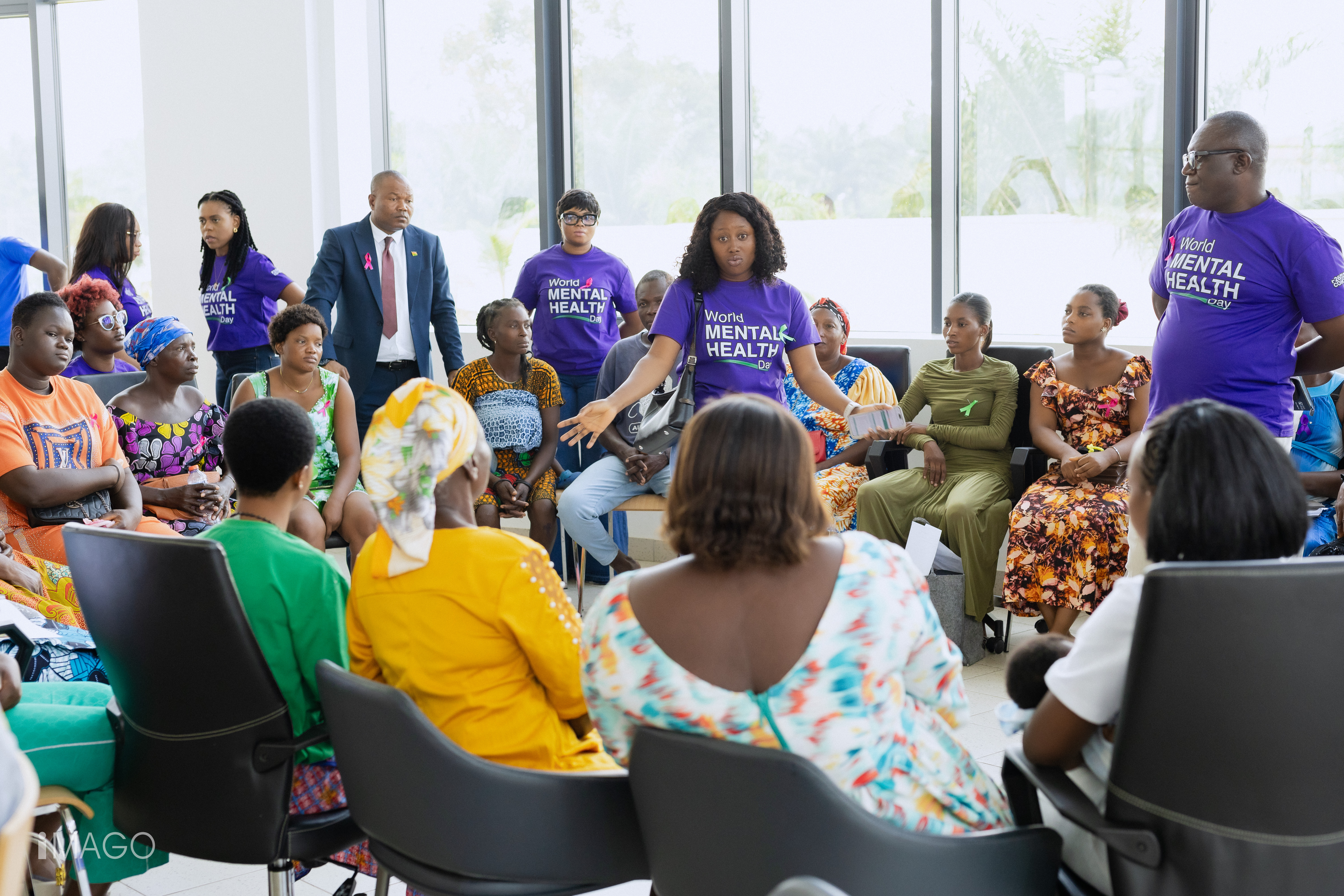
The February and September 2026 cohorts of the Master of Public Health (MPH) programme at Ensign Global University, in collaboration with Engage Now Africa (ENA), commemorated World Mental Health Day by organizing a conference aimed at highlighting and sensitizing the public on mental health issues and disorders.
This initiative forms part of the students’ coursework in “Foundations of Health Promotion”, under the tutorship of Dr. Alberta Teye Agudey. The course recognizes the critical role of health promotion in public health practice and embeds this concept as an integral pillar of public health education at EGU. As a core requirement for the completion of the course, students are obligated to design and execute a promotional campaign on a pertinent public health issue, translating coursework into meaningful, real-world experience.
Over the years, students have embarked on numerous health promotion exercises, raising awareness on various, often overlooked health issues.
This year, EGU MPH students organized a conference on World Mental Health Day, October 10, under the global theme: “Lived Experiences Heard: real voices, real change.” The conference was designed to amplify real-life stories on mental health, raise awareness of the varied manifestations of mental health issues, and educate the public on the resources available to individuals living with mental health disorders.
Among the distinguished speakers and resource persons invited was Dr. Yennusom Maalug, Director of Pantang Hospital, who served as the event’s keynote speaker, bringing a wealth of expertise and knowledge to the discourse. In his speech, he offered one of the most profound and educative interpretations in which he explained that the theme is a call to listen, and not simply hear words—to listen to the person behind the diagnosis; to listen to the student behind the examination results; to listen to the mother behind the smile; to listen to the father behind that says he’s fine when he is actually struggling to hold himself together.
Because as he explained, people who say the least may be carrying the most, and that a diagnosis may tell what condition a person has, but their lived experiences show what it is like to live with it. And that distinction matters.

The conference also featured an engaging panel session comprising Mr. Afasi Komla of Engage Now Africa, Dr. Emmanuel Kwesi Obro, a psychologist, and Mr. Sebastian Soglo, a mental health nurse and advocate—each contributing invaluable perspectives and insights to the conversation on mental health.
Each speaker shared a scenario illustrating the impact of mental health on individuals and on the community as a whole, sending across a central message: mental health care cannot exist only within psychiatric hospitals. They admonished that mental health care must be present in our homes, schools, universities, workplaces, churches, mosques, and communities, and it must be integrated into primary healthcare and community-based services.

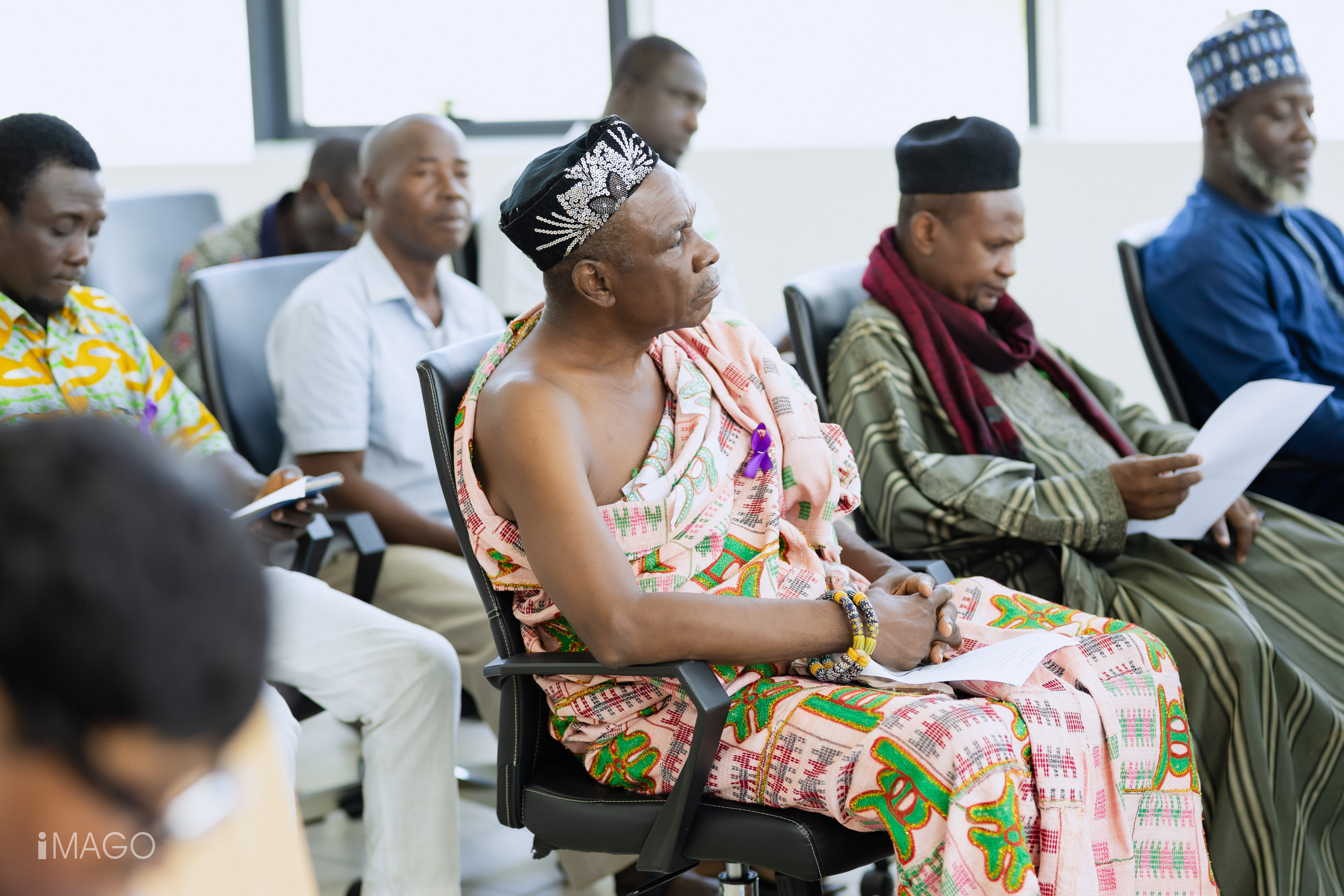
The overall turnout for the conference drew representation from a diverse cross-section of the community. Community members, opinion leaders, representations of partner organizations, health professionals and NGOs graced the event, contributing rich and varied opinions and lived experiences during the breakout sessions. To ensure optimum understanding and participation, these sessions were organized in groups according to dialect.
The presence of notable officials, including chiefs and the local assembly members, further underscored the significance of the discourse and the growing recognition of mental health as a critical public health priority.
This exercise forms part of the students’ formal assessment and reflects EGU’s distinctive approach to public health education, where real-world learning and practical application are not peripheral add-ons, but central themes woven throughout the curriculum.
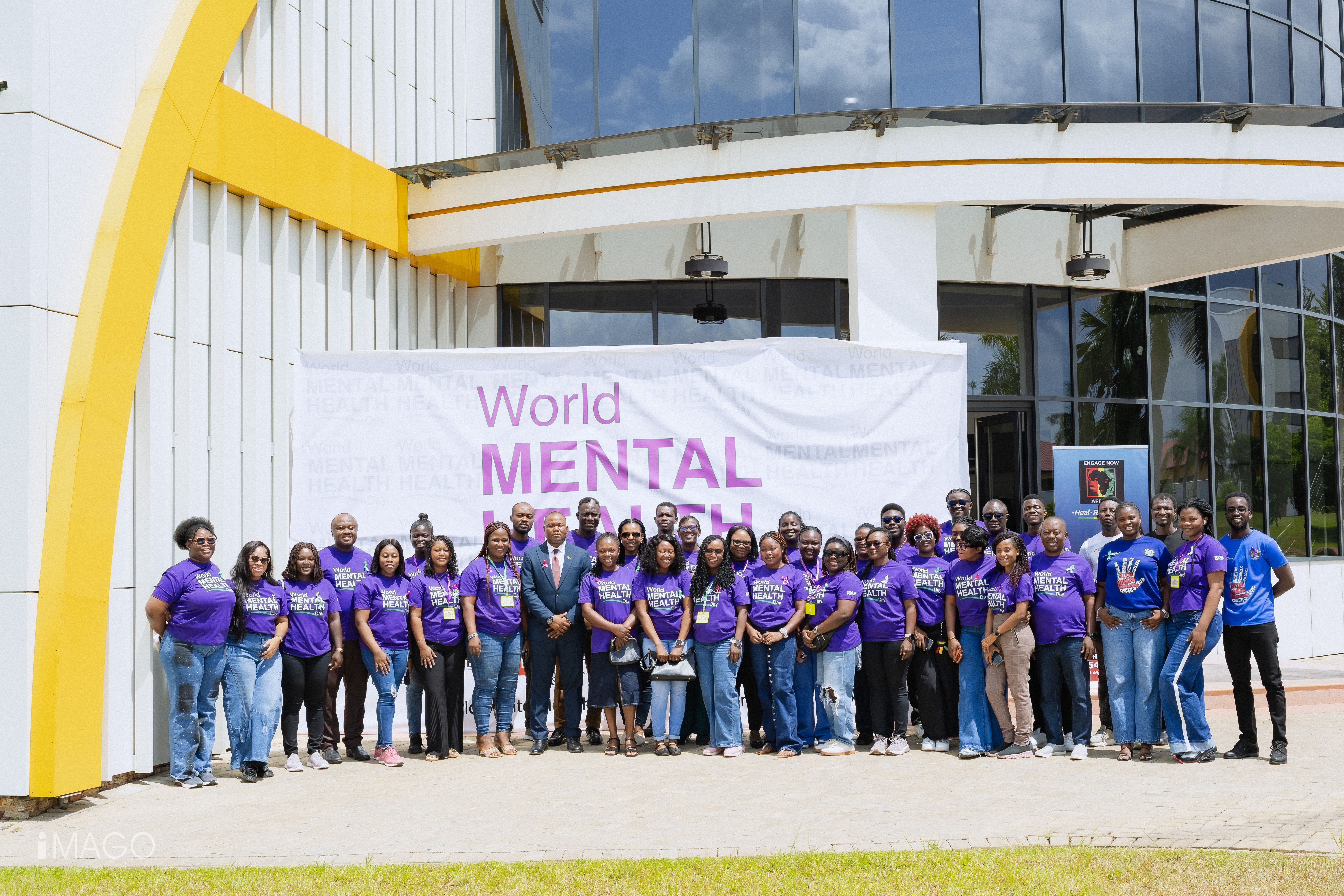
At Ensign Global University, this philosophy manifests in a holistic and comprehensive approach to public health education—one that takes into account real-world barriers, complexities, and contexts that shape public health practice. In doing so, it bolsters students’ experience and expertise, equipping them with the confidence and competence to navigate and thrive in the dynamic landscape of global public health.

Explore your possibilities
Take the next step toward a career in public health.